
Start typing to search posts!
Top Tips To Protect Your Suit For Longer
Results for:
Recent Posts

The Menswear Blazer Taking Over Bridal Style
August 20, 2026

What to wear to a wedding abroad?
August 25, 2026

Best Suit Fabrics for Hot Weather
August 27, 2026
September 09, 2019
If you are buying your first suit, you might benefit from this guide to how to protect your suit or tuxedo for longer.
A suit can last more than a couple of seasons, and looking after a suit will help extend its life. These are our top tips on protecting your suit for longer:
1. Brush your suit as an essential care
After a long day at work or a party out, your suit or tuxedo has absorbed dust, sweat, heat, or food particles. These tiny bits lodged in the fabric can build up and result in fibre decay and weakening. Once you arrive home, you should hang your suit on a butler stand or a shaped coat hanger overnight.
You have to give the suit time to dry out so the fibres have a chance to get back into shape, so don’t put it in the wardrobe straightforward. And remember to avoid direct sunlight contact, because you can damage the cloth, but airing it outside can eliminate some odours.
Ideally, use clothes brushes or men's suit brushes (they are not the same as shoe brushes!). This regular habit won’t take you more than 30 seconds and will help you extend the life of your suit jacket and maintain its attractiveness over time.

2. Store your suit at home
How to store suits and tuxedos at home? A basic rule for any sartorial man is to keep suits and tuxedos protected in a breathable suit bag when you’re not planning to wear them for a long time. These special bags are specifically designed to protect the garments and can be used either for travelling or as storage covers at home. Avoid plastic garment bags.
If you’re not planning to take your suit to the dry cleaner yet, don’t forget to check your wardrobe and its dark and warm undisturbed corners, favourable for moisture and uninvited tenants. Unclean clothes (even those ones worn some hours) usually carry human-eye invisible particles of sweat and skin... and moths love them!
You can try to prevent your wardrobe against moths with either natural products or specific chemical deterrents. Just remember that it may be too late to repair when their visible signs are noticeable, and moths can ruin even the most high-quality suit in your wardrobe. Natural fibre clothes are their favourite fabrics!
Sometimes a suit can deteriorate faster if it’s not stored properly. Simply good maintenance.
3. A good hanger is the key
Avoid hanging your suit or tuxedo on a poor-quality hanger such as one made of wire. Those free hangers that we get when buying in high-street shops are great for some clothes in the wardrobe - we agree -, but you should invest in quality hangers. While the collar is the foundation of the jacket in terms of fit, the shoulder is the foundation of the jacket in terms of style and suit jacket structure.
Most business suits and, of course, tuxedos, include shoulder pads. Along with the fabric, the manner in which a shoulder is constructed determines the level of formality, and a good quality hanger (made in wood or even solid plastic) covers the shoulder pad shape. Thanks to this, it prevents unliked creases in shoulders, front and lapels - a sleek look starts by taking care of the suit.
4. Dry clean your suit
When should you take your suit in for a cleaning? Unless a food or drink stains - clean immediately with a damp cloth - you can take your suit to the dry cleaner ever 3 - 6 months, depending on how often you use it of course.
Always pay attention to the care instructions, but in case of doubt never wash your suit or separates in the washing machine. Professional dry cleaners use products or wash in temperatures that are usually not common in our household. Those harsh chemicals are able to dry out the natural fibres over time.
If you want to refresh it for an important meeting in the office or a new wedding or family celebration take it to the dry cleaner for a steam press.
The idea of refreshing the wardrobe and adding more pieces to your collection can be tempting when a new season is on its way. Suits are very hard-working and they are generally crafted and ironed with standard volumes. As well as some jeans, if you want to see your suit as it used to be, wear it enough to get your body shape - the same rule applies to jeans.
Why? Some suits are generally crafted in standard shapes and volumes, so you have to make your suit yours. Dry cleaners will then iron and wash accordingly.
5. Two pairs or mix and match suits
Whether your need a suit for the weekdays or just for special occasions, having several men’s suits will allow you to rotate the suits and keep them in good condition for longer. But the thing is, if you need to wear the same suit on a daily wear basis, you will realize this: suit trousers always get worn out much faster than the suit jacket.
Have you ever considered buying two pairs of suit trousers? You can alternate them and you won’t shorten its lifespan. If you are comfortable in a customized outfit, you can play with suit separates and create a mix and match look, combining a charcoal suit jacket with navy trousers or even chinos.
6. Don’t use your pockets
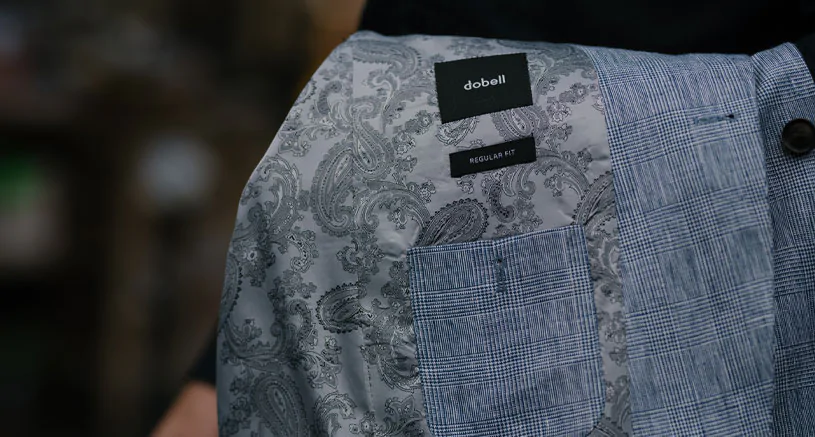
Remove the stitching in your suit pockets once they arrive home. It might sound silly, but the breast pocket in a suit jacket is the only one you can regularly use for a finishing touch in your look by adding a pocket square.
Other pockets, including the suit trousers should be free from heavy, sharp edged, or bulky items to keep the suit silhouette looking as it should. Plus, the pockets can get worn out and the edges around them frayed. Wear thin accessories that fit into the pockets or buy a man bag in which to put your keys.
7. Take your jacket off
It’s a good idea to take your jacket off when you’re driving or seating for hours, which will prevent unsightly creases from forming.

8. Buy a suit that fits you
It can be obvious, but there’s nothing more damaging than a suit that’s not the right size. Do you know how a suit should fit? Either loose or tight - for stretch suit cuts, you can find our range of slim fit suits - the suit has to adapt to your comfortable and natural movements. There are key areas in a suit that can be compromised when you don’t get the right size and don’t create aesthetic and natural creases in lapels, sleeves, and hems.